The tradition of vespers is one that has been lost, somewhat, to time. The word vesper is Latin for “evening” and in the catholic church, the vesper represents the evening prayer. The vesper consists of the singing of psalms and biblical canticles. One of the most unique aspects of this service to a musician like me is the use of Gregorian chant. Most think of Gregorian chant as something that has completely disappeared with the advent of modern music. However, the chant is still used across the world today during services like evening vespers.
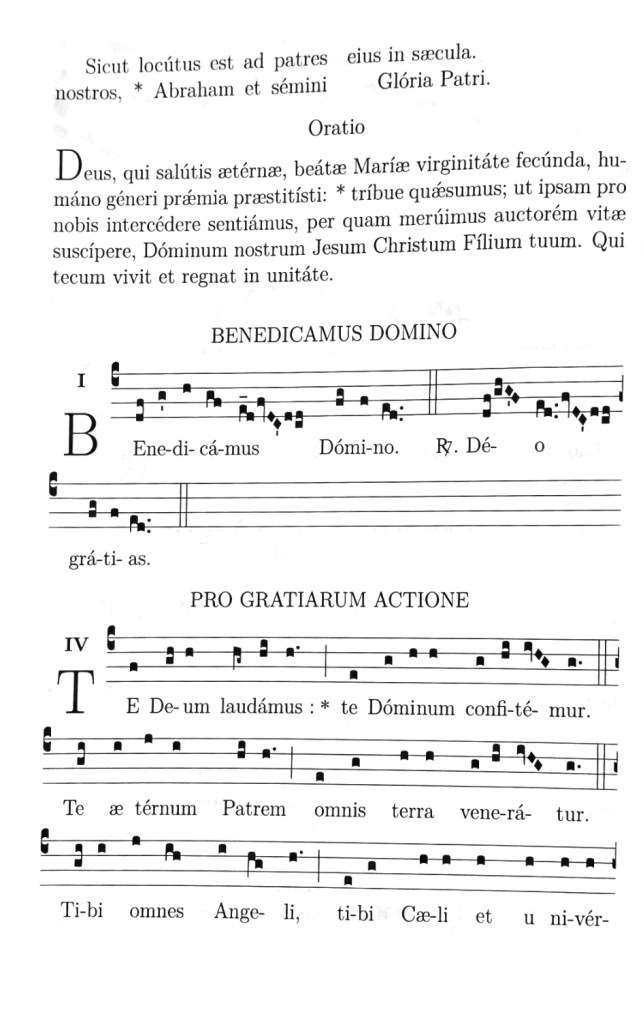
The chants that are sung can vary depending on the church, but most consist of: the first verse of the Magnificat, the first and last verse of a chosen hymn, “Veni Creator Spiritus”, “O Crux Ave Spes Unica”, “Ave Maris Stella”, and the “Gloria Patri”. Versions of this selection are permitted, and one common variation is the use of the organ in the singing of the chant. An example of this is shown in “The Ceremonial of Bishops”, which is a book that provides liturgy for bishops that serve as guidelines for how to conduct a service. This book is very specific about the use of the organ during vespers, but it states that the organ can be played when it is necessary for sustaining the voices, provided it ceases when the voices cease. This can seem very contrary to the playing of hymns we see in many churches where the organ can sometimes be loud and overpowering and play before and after the congregation stops singing. However, it points to the importance of the human voice as the main instrument of the church at the time of Gregorian chant.
The rules surrounding the chant itself are not as firm and allow for a modicum of modern music to frame the text. The guidelines surrounding this use specify that the chant cannot form a full melody or develop complexities found in a motet or cantata. It is only during the “Gloria Patri” and “Sicut Erat” that these modifications are allowed, and the psalms should mostly consist of Gregorian chant. Highlighting the variability of these rules, depending on the size of the vesper and the occasion, the psalms may be sung with compositions. Singular psalms can also be sung entirely with modern music “provided the singers seem to be psalmodizing among themselves, either with new motifs, or with those taken from the Gregorian chant or based upon it”. A supporter of many of these regulations was Pope Pius X who, in a letter to the clergy, likens modern Psalms to old theatrical works with “meagre artistic value”. He later urges all to preserve the dignity of the vesper service by adhering to guidelines set out for all the catholic church.
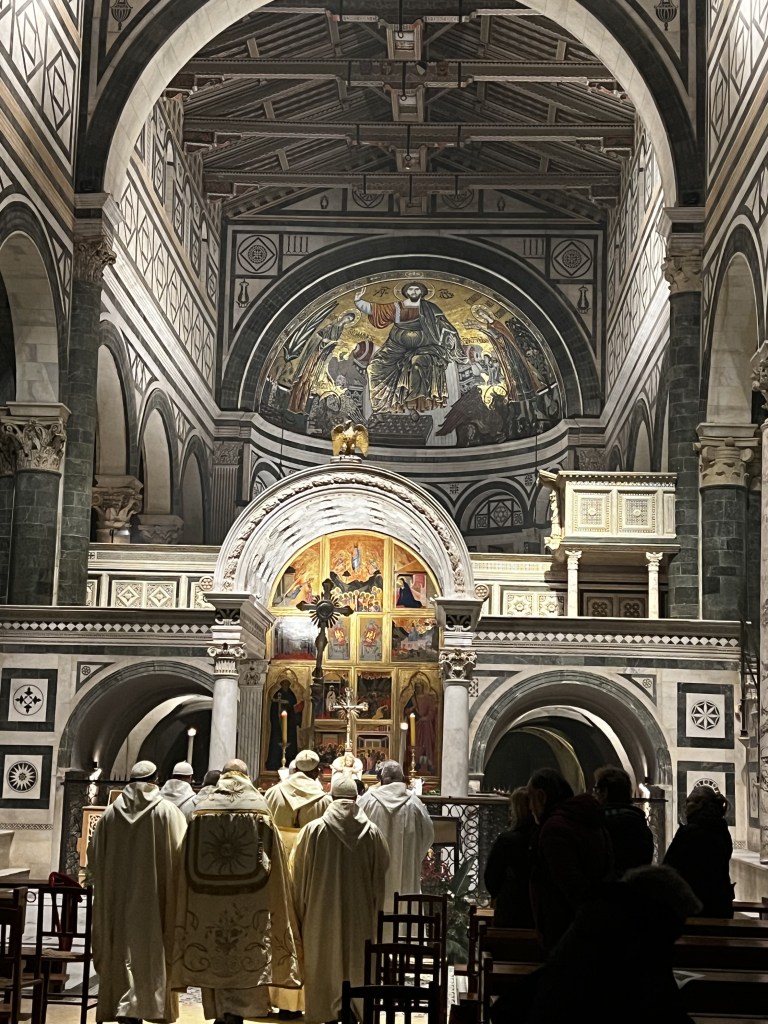
For all these regulations, my experience attending vespers has always gone very well and contained mostly Gregorian chant. In my experience, the service consisted of a small continuo organ that would quietly accompany a contingent of priests as they led the congregation in prayer. The priests flow from one chant to the next serving to make, what I now know to be a complicated process, simple and beautiful.
 The Sound Effect
Leave a comment