As a high school organist, one of the principal ways to meet other organists and branch out is competitions. Most competitions will require you to send in an audition tape before being selected as a finalist. Lucky for me, I got selected as a finalist in a South Carolina AGO Chapter competition. So, I thought it would be helpful to review my steps to preparing for a competition.
The first thing you should always remember when doing a competition is to keep your pieces under your fingers. Sometimes after we submit a recording, we stop playing the pieces to work on other stuff. This becomes a pain once you get selected and you realise you can’t play the pieces anymore. This can be fixed with a lot of practice but it’s easier to just keep playing your competition pieces so you never have to face this problem.
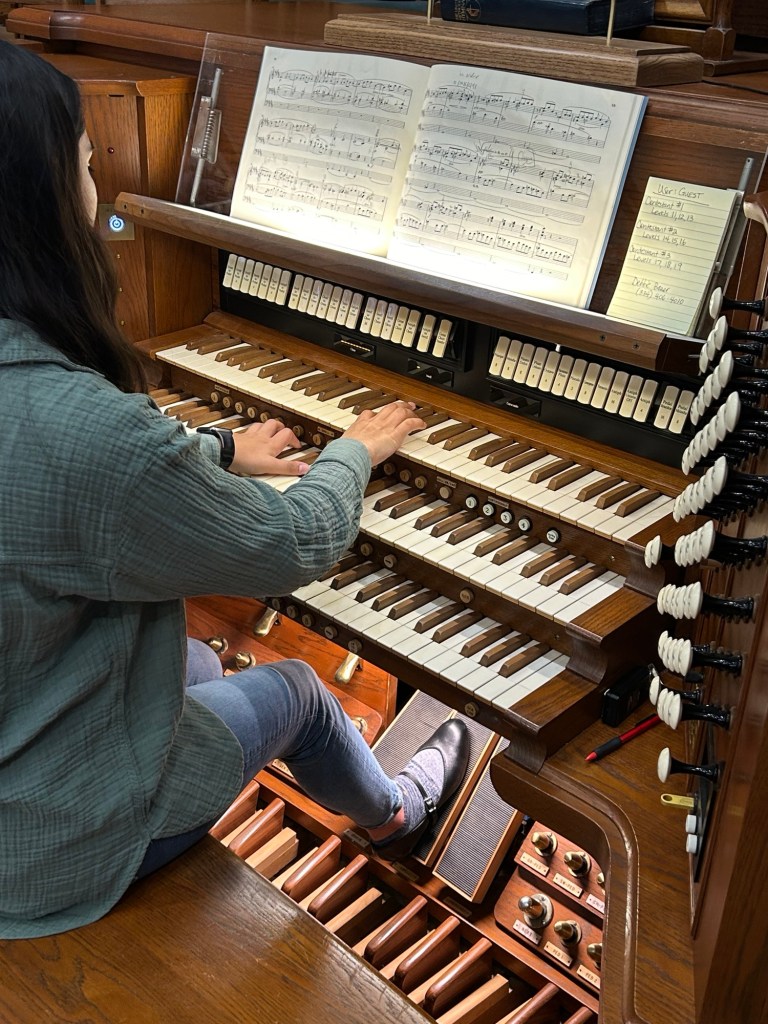
The second thing to do once you get selected is to review the competition organ’s specifications (these are usually provided in the competition’s invitation for finalists). The odds that the organ you’ll be playing is the same as yours are low and you should always know what you’re waking into. Competitions will give you time to adjust to the organ (usually 2-3hrs ) and you need to use this time wisely. A good way to use this time is to registrate your piece. If you looked at the organ beforehand, you already have a sense of the stops and you should probably go over them with your teacher. If you and your teacher worked out some stop selections in advance it’ll make your life much easier. During your practice time on the new organ, you may realize that your registration doesn’t sound as good as you thought it would. This happens to all of us and you just have to use what you know to figure something out. Most organs have a couple of the same core sounds (flutes, principlals, reeds) and finding one that matches your piece is easier than you think. Another big thing to do during your practice sessions is figure out stop changes. Lots of organs will have a previous or next button for memory levels but they are all in different places so make sure to allot time for pieces with big stop changes. Also be aware of the organ’s location so you are prepared for delayed sound. You should also take into consideration the judges’ position in the room and how you sound from their location.
The night before a competition, it’s important to get lots of sleep. Many warm-up slots are early in the morning and you want to be somewhat awake for that! It’s also important to eat before a competition. Don’t eat a full meal but a snack 30 minutes before the scheduled start will serve you well. While I personally love a Starbucks cake pop, I have been advised that bananas are good for nerves. When it’s your turn to play try not to get to nervous and just focus on playing how you know you can. Take your time getting everything ready and make sure your bench, music, and stops are all right. Once you’ve situated yourself, take a calming breath and begin. At the end of your program, be prepared to linger for photos and compliments on your beautiful playing. These are my top tips on how to prepare for and play in an organ competition.
 The Sound Effect
Leave a comment